

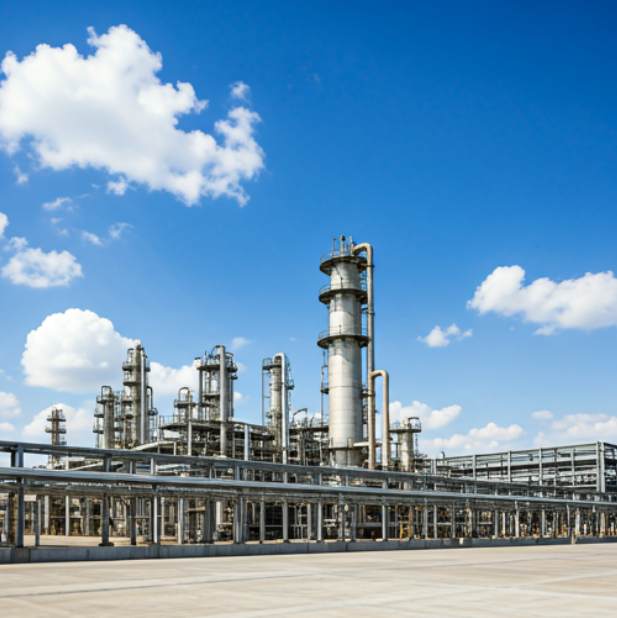
The landscape of India’s chemical industry is shifting, and Eastern India, with its rich industrial heritage and untapped potential, is poised to be at the forefront of this transformation. For the members of the Indian Chemical Merchants & Manufacturers Association (ICMMA), understanding these trends isn’t just beneficial—it’s essential for strategic growth. As we look towards 2025, several key factors are set to redefine the future of chemical manufacturing and trade in our region.
Eastern India’s Inherent Strengths: A Foundation for Growth
Our region has always been the industrial backbone of the nation. The future builds upon this solid foundation:
- Resource Rich: With access to 35% of India’s crude oil, vast reserves of coal, iron-ore, and minerals, Eastern India offers an unparalleled advantage in raw material sourcing for primary chemical production.
- Agricultural Powerhouse: accounting for the 4th largest agricultural production in India, the demand for agrochemicals, fertilizers, and specialty chemicals for food processing is immense and growing.
- Strategic Location: The ports of Kolkata, Haldia, and Paradip are critical gateways for international trade, facilitating both the import of specialty chemicals and the export of locally manufactured products.
Key Trends Shaping the Future (2025 and Beyond)
Key Trends Shaping the Future (2025 and Beyond)
- Specialty Chemicals: The New Gold Rush
The move from bulk commodities to high-value, low-volume specialty chemicals is accelerating. Driven by demand from end-user industries like:- Paints & Coatings: With the construction boom in Eastern India, demand for advanced, environmentally friendly paints is rising.
- Agro-chemicals: Precision farming requires advanced pesticides, herbicides, and bio-stimulants.
- Personal Care & Hygiene: A growing middle class is increasing demand for ingredients used in soaps, detergents, and cosmetics.
- Water Treatment: As industrial and municipal water needs grow, so does the need for treatment chemicals.
- Sustainability: From Buzzword to Business Imperative
“Green chemistry” is no longer optional. Regulatory pressures and consumer awareness are driving demand for:- Bio-based and Renewable Chemicals: Sourced from agricultural waste and non-petroleum sources.
- Waste-to-Value Processes: Converting industrial effluent and by-products into valuable chemicals.
- Energy-Efficient Manufacturing: Reducing the carbon footprint of production processes is both an environmental and economic goal.
- Digitalization and Supply Chain Resilience
The past few years have taught us the critical importance of resilient supply chains. In 2025, we will see:- Digital Marketplaces: Platforms (like the spirit of ICMMA’s BUSINESS MART WhatsApp group) becoming more formalized for B2B chemical trading.
- IoT in Logistics: Sensors for real-time tracking of chemical shipments, ensuring quality and safety.
- Data-Driven Demand Forecasting: Using AI to predict market needs, reducing inventory costs and shortages.
- Government Policy and the PLI Effect
Government initiatives like the Production-Linked Incentive (PLI) scheme for advanced chemical cell battery storage and other sectors will create ancillary demand for specific chemicals. Staying informed and adapting to these policies will be crucial.
The ICMMA Advantage: Navigating the Future Together
The ICMMA Advantage: Navigating the Future Together
This evolving landscape presents both challenges and opportunities. The role of a cohesive industry body has never been more critical. ICMMA is committed to being your partner in this journey by:
- Knowledge Dissemination: Through seminars and workshops focused on these very trends, helping you decode what they mean for your business.
- Advocacy: Representing your interests to ensure government policies in West Bengal and at the Centre are conducive to growth and innovation in the chemical sector.
- Networking: Creating platforms like our Buyer-Seller meets and digital directories to help you find the right partners for collaboration, be it for new technology, joint ventures, or market access.
Conclusion
The future of chemical manufacturing in Eastern India is not just bright; it’s dynamic and filled with potential. The businesses that will thrive are those that embrace innovation, sustainability, and collaboration.
Are you ready to position your business for the growth ahead? Join the conversation. Share your insights on these trends at our next ICMMA Industrial Seminar. Become a member today to ensure your voice is heard and your business has the support it needs to lead Eastern India’s chemical revolution.